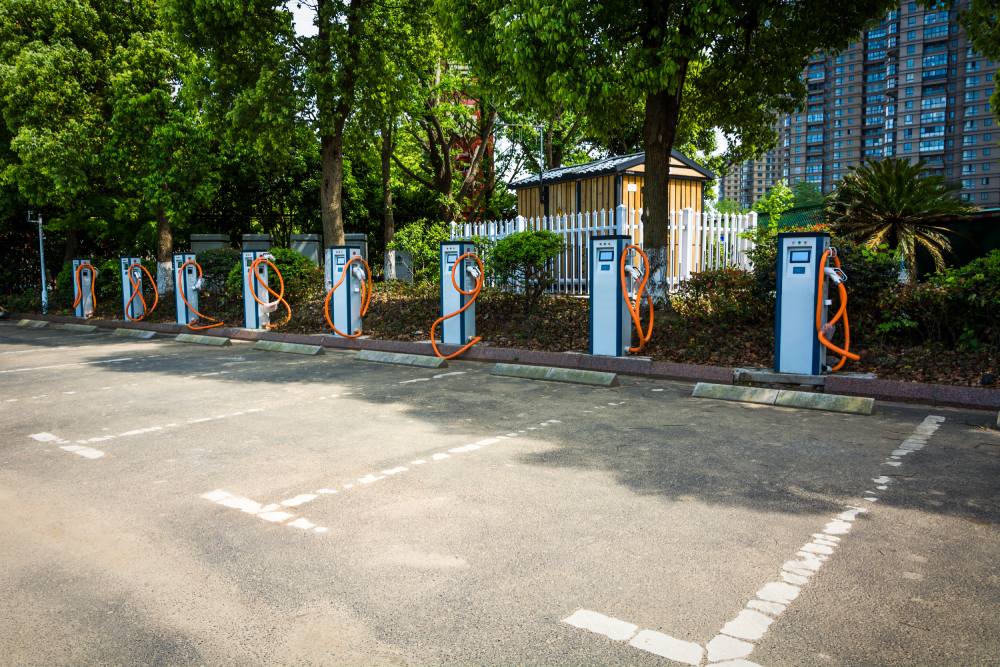

Introduction:
The future of urban transportation is electric—and it’s arriving faster than many expected. As EV adoption surges among rideshare drivers and companies like Uber and Lyft push toward all-electric fleets, one thing is clear: charging infrastructure must evolve to meet the unique needs of high-mileage, fast-turnaround vehicles.
That’s where rideshare hubs come in.
At Upvoltev, we believe that strategically placing EV chargers at rideshare hubs isn’t just convenient—it’s essential. Here’s why.
1. Maximized Utilization and ROI
Unlike private EV chargers that may sit idle for long periods, chargers at rideshare hubs are used constantly. Rideshare drivers often drive 100+ miles a day and need reliable places to recharge.
Installing EV chargers at rideshare locations ensures:
- High charger utilization rates
- Faster return on infrastructure investment
- Predictable, repeat traffic from known users
Bottom line: High turnover = high ROI.
2. Supports Driver Transition to EVs
Many rideshare drivers want to switch to EVs to reduce fuel costs—but lack of access to convenient charging remains a major barrier.
By installing chargers at rideshare hubs, you:
- Remove “charging anxiety”
- Encourage EV adoption among drivers
- Provide a value-add that builds driver loyalty
Some cities and platforms even offer incentives to drivers who go electric—your chargers could be part of that solution.
3. Reduces Urban Emissions Where It Matters Most
Rideshare vehicles account for a disproportionate share of vehicle miles traveled in cities. Electrifying this segment can make a major impact on air quality and climate goals.
EV chargers at rideshare hubs:
- Reduce tailpipe emissions in high-traffic areas
- Contribute to city sustainability targets
- Help mobility platforms meet zero-emission commitments
If your region has green mobility incentives, this could also open up public or private funding opportunities.
4. Enhances Fleet Coordination and Data Insights
EV charging stations at designated rideshare hubs allow for smarter fleet logistics:
- Monitor charging usage and idle time
- Predict peak usage periods
- Enable driver loyalty programs or dynamic pricing
With the right software, rideshare platforms can integrate real-time charger data to guide drivers and optimize routes.
5. Future-Proofs Urban Mobility Infrastructure
Cities are redesigning infrastructure around clean energy, smart mobility, and connected services. Installing EV chargers now—at key transportation touchpoints—ensures your site is part of that transformation.
Plus, rideshare hubs are natural locations for future add-ons, like:
- Battery storage
- Solar panel integration
- Microgrid or V2G (Vehicle-to-Grid) applications
Conclusion: Let’s Build the Network Rideshare Needs
At Upvoltev, we specialize in scalable, future-ready EV charging solutions. Whether you’re managing a transit hub, urban garage, airport TNC lot, or public rideshare zone, we can design and install charging infrastructure tailored to high-traffic use.
Want to power the future of mobility?
Let’s talk about electrifying your rideshare hub.
Contact Us to schedule a consultation.